Количката е празна
|
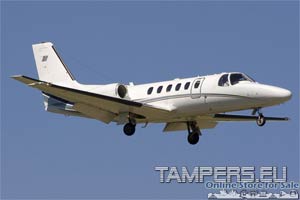
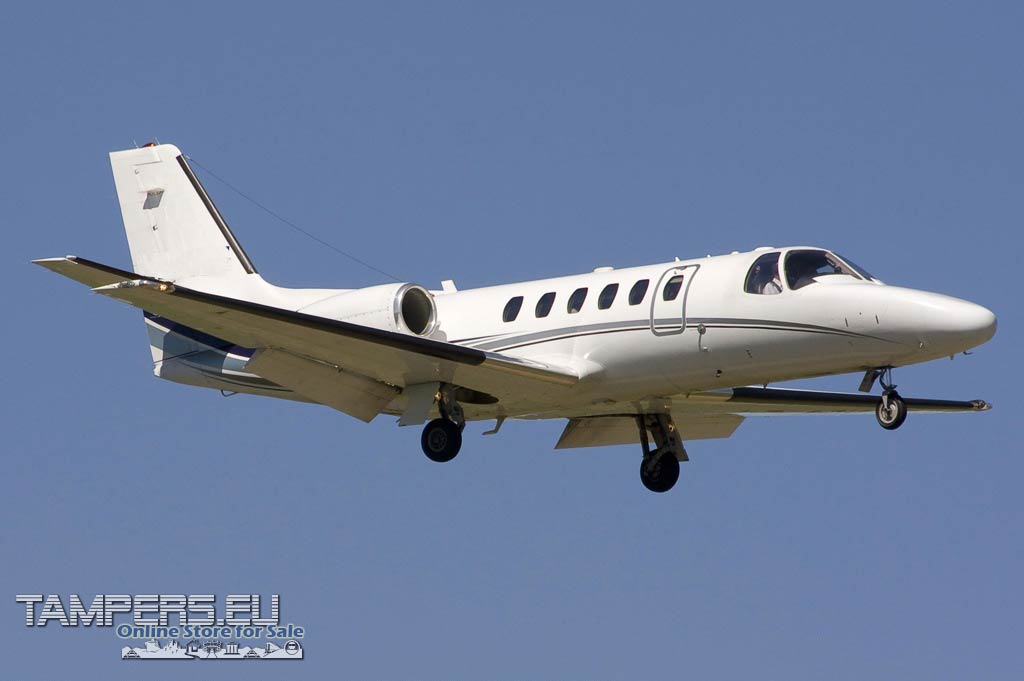
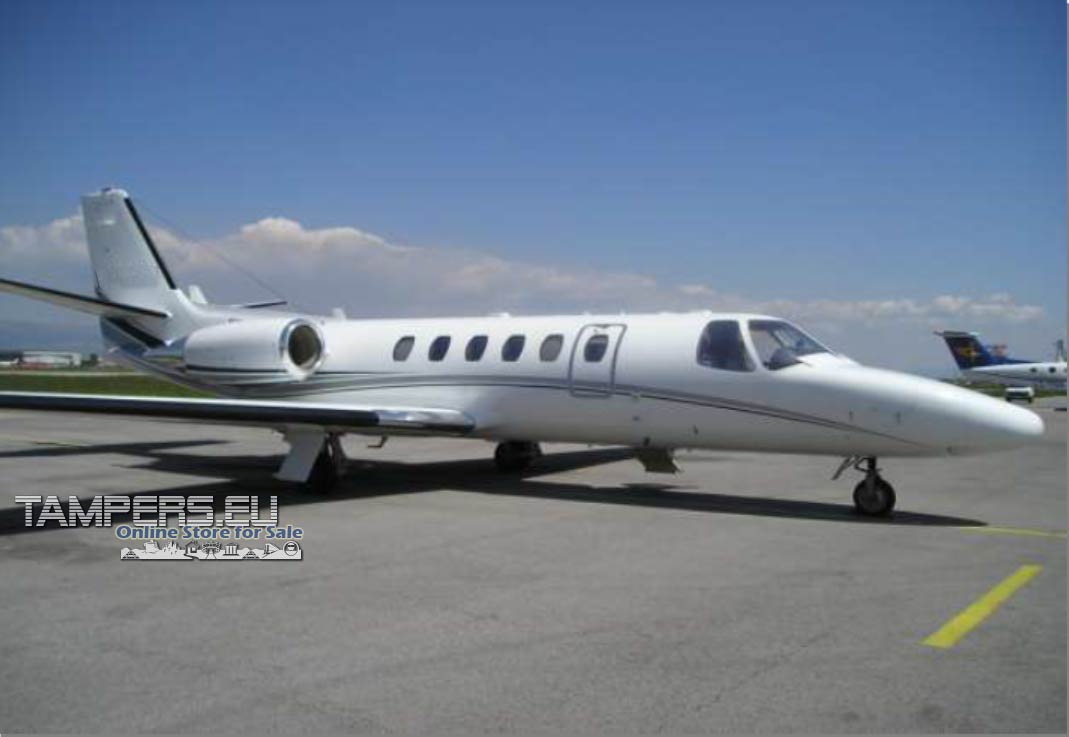
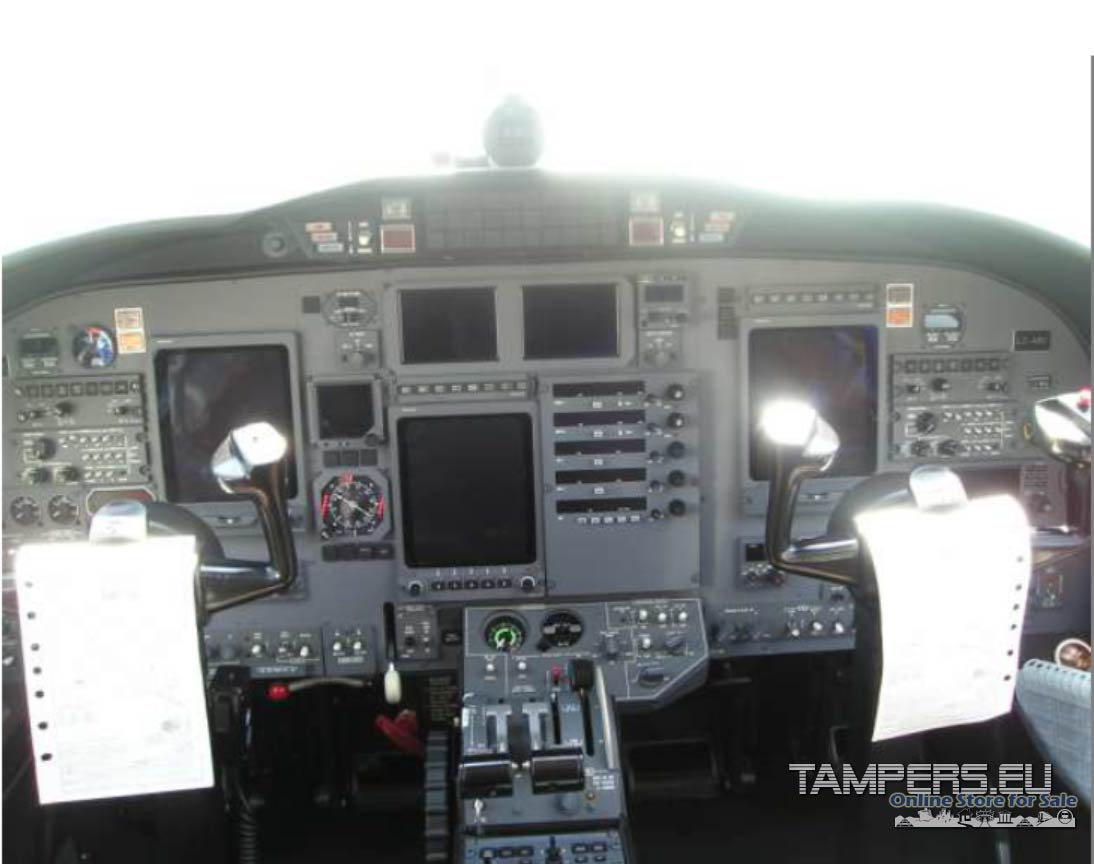
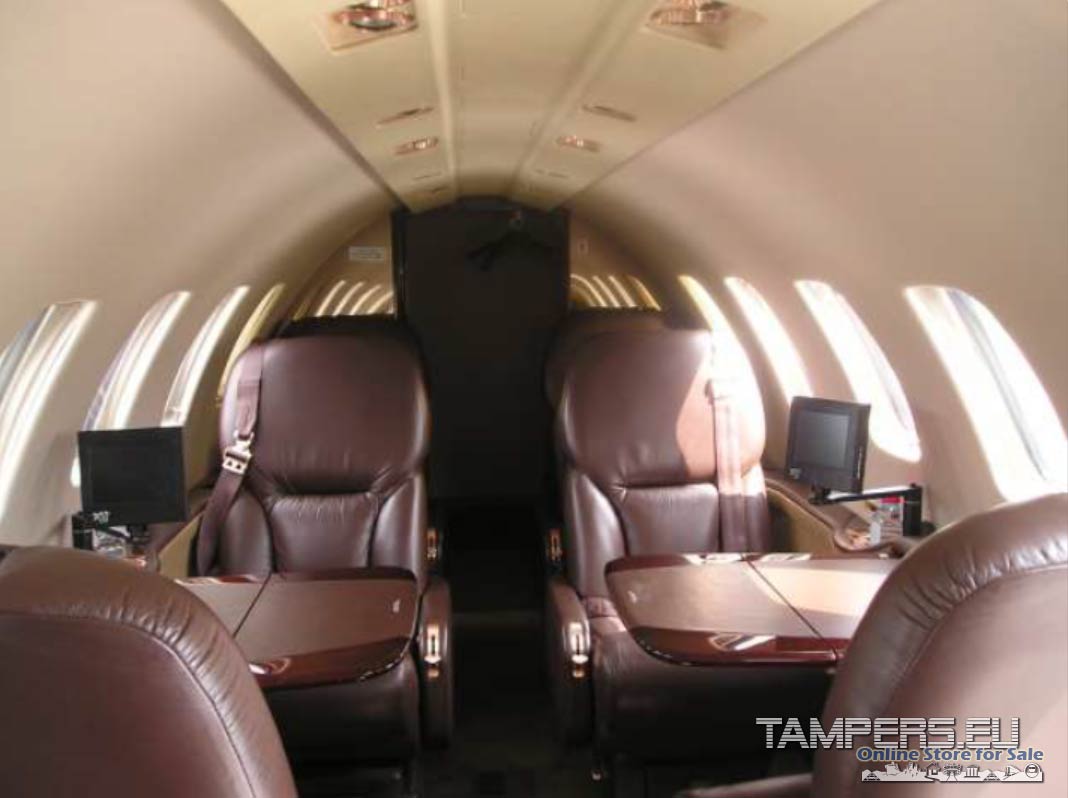
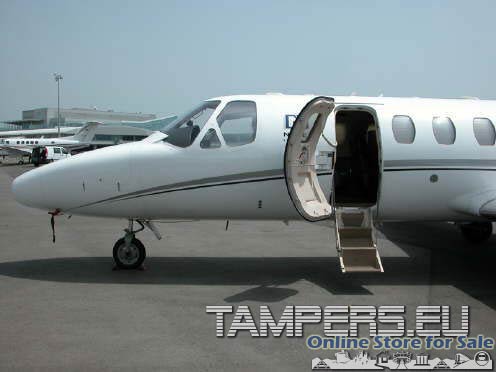
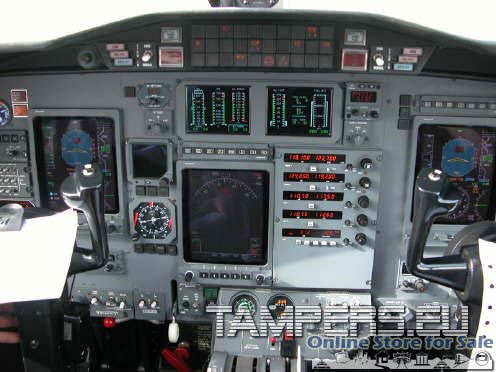
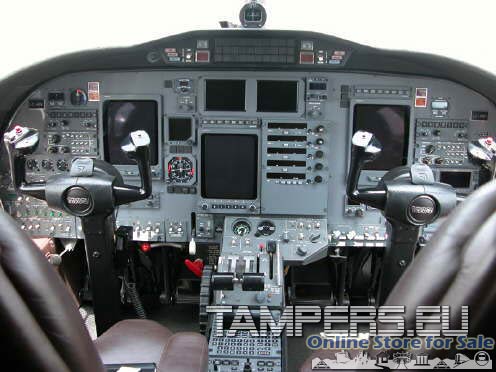
TYPE: Business jet. COUNTRY OF ORIGIN: United States of America PROGRAMME: Cessna 550 Citation II first flew 31 January 1977; Bravo announced at Farnborough Air Show September 1994; replaced Citation II; prototype (N550BB, c/n 0734) first flight 19 April 1995; initial production aircraft (N801BB, c/n 0801) flew mid-1996; FAA certification in January 1997; first delivery, to Firebond Corporation of Minden, Louisiana, on 25 February 1997. Russian certification achieved 4 September 1998. Certification for operation into London City Airport achieved in May 2002. CUSTOMERS: First 18 months' production had been sold by time of initial delivery. Earlier production in this series accounted for 621 Model 550 Citation IIs, 97 Model 551 Citation II SPs and 15 Model 552 T-47A Citations, or 733 in all. Total of 252 Bravos delivered by 30 September 2003, comprising 28 in 1997, 34 in 1998, 36 in 1999, 54 in 2000, 48 in 2001, 41 in 2002, and 18 in the first nine months of 2003. Recent customers include Avemex SA of Toluca, Mexico (two, for delivery from May 2002); Taxi Aereo Marilia (TAM) of Brazil (three, for delivery from April 2002); Flying Partners CV of Antwerp, Belgium, which has ordered two for its shared ownership programme, for delivery from January 2002; Cessna's and TAG Aviation USA's fractional ownership operation, CitationShares, which placed an initial order for six, for delivery before the end of 2000; and The Company Jet of Grand Rapids, Michigan, which has ordered five for delivery in 2003 for its fractional ownership operation. By August 2003 some 944 Citation IIs, II SPs and Bravos had been delivered, and total fleet time stood at 4,584,470 hours. COSTS: EURO2,5 million, typically equipped (2005). DESIGN FEATURES: Small/mid-size business jet. Based on Citation II airframe; tapered wing; tapered, mid-set tailplane; sweptback fin; podded engines mounted clear of upper rear fuselage; wide track landing gear. Wing aerofoil NACA 23014 (modified) at centreline, NACA 23012 at wing station 247.95; dihedral 4°; tailplane dihedral 9° FLYING CONTROLS: Conventional and manual. Trim tab on port aileron is manually operated; manual rudder trim; electric elevator trim tab with manual standby; electrically actuated single-slotted flaps, maximum deflection 40°; hydraulically actuated airbrake. STRUCTURE: Two primary, one auxiliaty metal wing spars; three fuselage attachment points; conventional ribs and stringers. All-metal pressurised fuselage with fail-safe design providing multiple load paths. LANDING GEAR: Hydraulically retractable tricycle type with single wheel on each unit. Trailing-link main units retract inward into the wing, nose gear forward. Free-fall and pneumatic emergency extension systems. Steerable nosewheel maximum delfection ±20°, or ±95° for ground handling and towing. Mainwheel tyres H22.0x8.25-10 (14 ply); steerable nosewheel with tyre size 18x4.4DD (10 ply); all tubeless. Toe-actuated multiple disc brakes on mainwheels. Parking brake and pneumatic emergency brake system. Anti-skid system standard. POWER PLANT: Two 12.84 kN (2,887 lb st) Pratt & Whitney Canada PW530A turbofans; Nordam target-type thrust reversers standard. Two independent fuel systems with integral tank in each wing, with combined usable capacity of 2,725 litres (720 US gallons; 600 Imp gallons). ACCOMMODATION: Crew of two on separate flight deck, on fully adjustable seats, with seat belts and inertia reel shoulder harness. Sun visors standard. Fully carpeted main cabin equipped with seats for seven to 10 passengers (Seven standard, on pedestal-mounted seats). Main baggage areas in nose and tailcone; flight accessible baggage area at rear of cabin. Refreshment centre standard. Cabin is pressurised, heated and air conditioned. Individual reading lights and air inlets for each passenger. Dropout constant-flow oxygen system for emergency use. Cabin door with integral airstair at front on port side and one emergency exit on starboard side. Doors on each side of nose baggage compartment. Tinted windows, each with curtains. Pilot's storm window, birdproof windscreen with de-fog system, anti-icing, standby alcohol anti-icing and bleed air rain removal system. SYSTEMS: Pressurisation system supplied with engine bleed air, maximum pressure differential 0.61 bar (8.9 lb/sq in), maintaining a sea level cabin altitude to 7,189 m (23,586 ft), or a 2,440 m (8,000 ft) cabin altitude to 13,715 m (45,000 ft). Hydraulic system, pressure 103.5 bar (1,500 Ib/sq in), with two pumps to operate landing gear and speed brakes. Separate hydrauhc system for wheel brakes. Electiical system supplied by two 28 V 400 A DC starter/generators, with two 350 VA inverters and 24 V 44 Ah Ni/Cd battery. Oxygen system of 1,814 litre (64 cu ft) capacity includes two crew demand masks and five dropout constant-flow masks for passengers. Engine fire detection and extinguishing systems. Wing leading-edges electiically de-iced ahead of engines; pneumatic de-icing boots on outer wings and on leadingedges of tailplane and fins; engine inlets and windscreen have anti-ice protection via engine bleed air, with back-up alcohol system for windscreen; pilot tubes and static ports have electric anti-icing. AVIONICS: Honeywell Primus 1000 as core system.
|